Zoo Labs Foundation · 501(c)(3)
Wildlife biodiversity, through open research, education and conservation work that anyone can read, check and build on.

Featured species
Nubian giraffe
Why it matters
We work on it with field science, open grants and monitoring that anyone can audit.
100
African elephants are killed by poachers each day, by best estimate.
$23B
Illegal wildlife trade is worth $7–23 billion a year, one of the largest illicit markets in the world.
18.7M
Acres of forest lost annually, affecting the habitats of 80% of terrestrial species.
38,000+
Species threatened with extinction — 27% of every species assessed.
What we stand for
A research foundation of animal lovers, families, scientists and AI researchers — with everything it makes in public.
Protecting endangered fauna and the wilderness they need, through hands-on field work with local partners.
Models, expeditions and research published so students and teachers can use them without asking us.
Bioacoustic monitoring, satellite tracking and edge computer vision, deployed where poaching happens.
Working directly with indigenous populations and the sanctuaries already doing the work.
Wildlife corridors and regenerative ecosystems that people and animals share.

Critically endangered
Fewer than 25 red wolves remain in the wild. We deploy GPS collaring, bioacoustic sensors and genetic tracking to support their recovery.
Species
Seven endangered species, each with its own programme, field partners and published population data.
Open science
Zoo Labs is our applied research lab. It builds open foundational models, real-time bioacoustic interpreters and marine intelligence — and publishes the weights, not just the results.
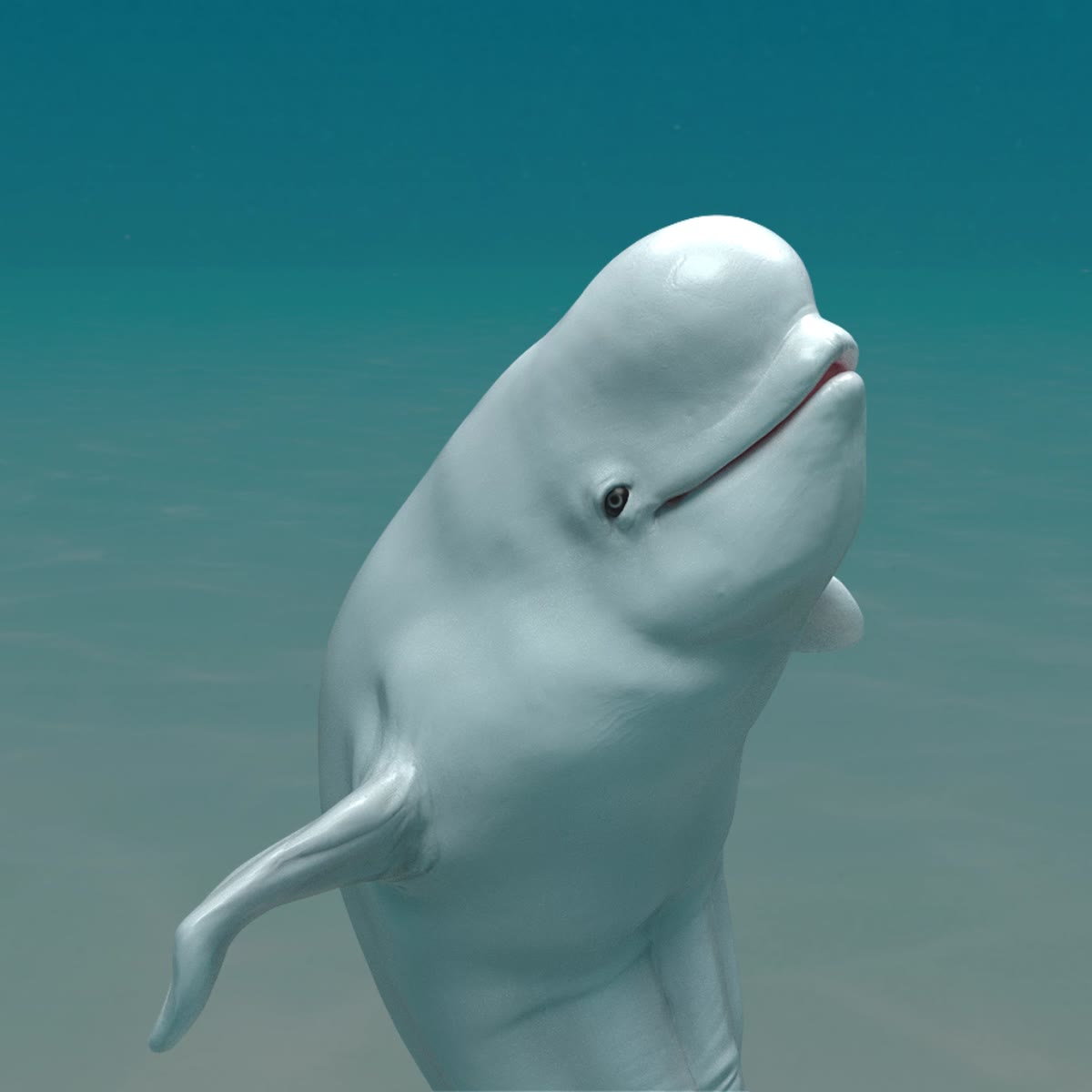
Decoding beluga vocalisations, dolphin clicks and cetacean communication with open acoustic models, published with their weights.
Edge computer vision that runs on a camera trap rather than a datacentre, so a ranger station with no uplink still gets an alert.
Proof-of-conservation telemetry and transparent grant-making, so where a donation went is a matter of public record.
Field expeditions
Hands-on expeditions and sanctuary placements alongside the marine biologists and rangers we fund.

Farallon Islands, San Francisco
Tagging and observation alongside marine biologists, with underwater telemetry.
$75,000 / 20 guests

Farallon Islands, San Francisco
Conservation training and cage observation for two.
$2,500 / 2 guests

Farallon Islands, San Francisco
A full day aboard the research vessel, capturing drone and hydrophone data.
$3,500 / per expedition
Tax-deductible 501(c)(3)
Give, partner or build. Every donation is tax-deductible to the extent allowed by law, and every grant we make is on the public record.
Funds field collars, anti-poaching patrols, veterinary medicine and food for the sanctuaries we work with.
Work with us as a research institution, university department or conservation trust.
Use the datasets, fine-tune the models, or contribute to the bioacoustic work at the lab.